Mittwoch, 29. Juni 2011

The Challenge for Africa

Wangari Maathai is a Kenyan environmental and political activist and one of the few African women in the forefront of the development movement.  She founded the Green Belt Movement, an NGO focusing on environmental conservation through planting trees and on civic education through women’s groups. In 2004 she was awarded the Nobel Peace Prize for her contribution to democracy and peace.
Stefan and I, as you might imagine, often wonder about the state of people, politics and culture we have found here, and in our search for explanations we found Wangari Maathai’s book The Challenge for Africa. Through the next blogs I want to share with you some highlights…
Wangari Maathai

Montag, 27. Juni 2011

Karibu

Dear all, the time has come, our house is as ready as it will ever be: this is the official message that it is OPEN FOR VISITORS now. You are welcome!

Liebe Alle, unser Haus ist endlich bereit um Gäste zu empfangen. Dieser Blog verkündigt es offiziell, unser Haus ist OFFEN FÜR BESUCHER. Willkommen!

Dragi vsi, najin dom je koncno pripravljen, da sprejme goste. Tole je uradno sporocilo, da je najina hisa sedaj ODPRTA za OBISKE. Dobrodosli!

Wote wanakaribishwa!

The sweet sound of music

Yesterday we went to a gospel concert - our church choir from the University of Dar es Salaam presented its first big show. We love their music and are fans enough to have brought several of our neighbours along... There was loud, loud singing, dancing, a guest choir and a capella group, drama and much more. We even bought a T-shirt :)

Stefan with Clinton, the nephew of our landlord

Our neighbour Martha concentrating on the music, while her children Nathalie and the small Vako are not really impressed

THE choir, a bunch of energetic students 

Donnerstag, 23. Juni 2011

Nafasi Art Space

Nafasi in Kiswahili means time, space, opportunity, chance. Yesterday Stefan and I visited an art centre of the same name, where Tanzanian and international artists exchange ideas and create and where action painting was going on.

There were artists with a piece of charcoal, loud drumming music, no lights and only two min time to sketch a beautiful model in front of the eyes of the public... Not an easy task!


We thought this was a lot of fun and decided to give it a try.

I drew Stefan...

...and he drew me.

Oooh, we can just feel our artistic buds blooming :)


Sonntag, 19. Juni 2011

Tingatinga

On Saturday Stefan and I bought our very first Tingatinga painting. These are named after their originator Edward Tingatinga and are unique to Tanzania. As we can read in the Bradt Guide, the style arose in Dar es Salaam in the early 1960's as Edward fused the vibrant and popular work of Congolese immigrants with art traditions indiginous to his Makua homeland in the Mozambique border area. The canvasses feature large, bold and often surreal two-dimensional images of African animals on a monotone background. The style has always been commercially driven and some call Tingatinga the african answer to Pop Art.

Donnerstag, 16. Juni 2011

Things that are shining

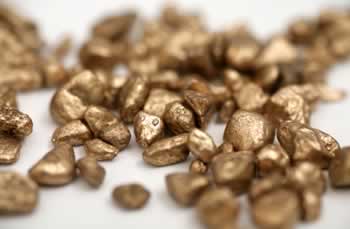
Tanzania is one of the three biggest exporters of gold worldwide.  Unfortunately, all the gold mining areas are owned by foreign corporations and all the profits flow out of the country.
In northern Tanzania gold became known in the 70’s. The villagers of Bulyanhulu found ‘things that were shining’ in the soil uprooted by fallen trees. They picked them and used them for playing. Only after showing them to foreign visitors did they realise that the visitors are ready to pay a lot of money for their toys which they called ‘gold’. The villagers quickly organised themselves and started up small mines, some of the local mineowners employing several hundred people.
'things that are shining'
All went well until the government of Tanzania invited big scale investors to these areas in the 90’s. It sold the land at a cheap price to big international  mining companies and cleared the villages of all the people. And by clearing they meant bussiness – after the villagers rebelled, the government burried more than 50 of them alive with buldozers while they were mining in their local mines. The corrupt police force chased away the witnesses…
The aerial view of a gold mine
The people of Bulyanhulu and other villages in north Tanzania are some of the poorest in this country, while literary sleeping on tons of gold. Maisha, the locals would say, that is life. Corrupt leadership is what the rest of us say. And yes, that is the reality of Tanzania.
The situation on the ground is not as pretty as seen from above...

Montag, 13. Juni 2011

Weg und vorbei

Dieses Wochenende sind wir endlich im Dar angekommen! Es war das erste Wochenende, wo wir nichts Großes erledigen oder einkaufen mussten, wo nichts zu organisieren war, keine Besprechungen zu führen waren, wo wir einfach zu Hause SEIN konnten.

In Echt, wir haben mit Genuss NICHTS getan.

Ich habe unsere Strohmatte ein bisschen mit Farbe aufgepeppt...

Fliegender Teppich?
Und versucht, mein erstes 'flat-tyre' zu reparieren. Habe kläglich gescheitert und Stefan zu Hilfe geholt. Aber, dass muss ich schon sagen, es lag nicht (nur) an meinem Unwissen, sondern an der Tatsache, dass Chinesen anscheinend noch nichts von einer 'user-friendly' Bauart gehört haben. Wie der Rest von Billigware in Dar es Salaam ist nämlich auch mein Fahrrad chinesisch... Was euch die Zeitungen sagen (dass China die Welt erobert) ist in Tanzania zu 100% wahr - wenn es nicht chinesisch ist, existiert es nicht!

Der rote Flitzer hat gelandet...
Stefan hat sich recht lang mit unseren Finanzen befasst, vor den Gelsen mit unserem neuen Mosquito Control Light geschützt. In der reinen Verzweiflung, weil unsere Füsse schon völlig zerbissen sind und wir uns an ein Nicht-juck-zustand nicht mehr erinnern können, probieren wir jetzt alles aus, was man in Geschäften gegen die Plage bekommt. Eurolux ist unser Freund und zu den Gelsen schreien wir zusammen: BANZAI!!!

Ein UFO?
Und schon ist wieder Montag... Weg und vorbei, das Wochenende :(

Donnerstag, 9. Juni 2011

Kupi smeti

Dar es Salaam ima, podobno kot druga velika afriska mesta, resen problem z infrastrukturo.

Odvoz smeti, na primer, ni urejen. Ne obstaja nobena uradna drzavna ali mestna sluzba, ki bi skrbela, da tovornjaki smeti redno odvazajo. Zato se smeti v kupih nabirajo povsod, pred hisami, v parkih, za trgovinami, pred pisarnami, na plazi...

Zadnji izhod iz moje pisarne, dva metra na desni strani je ograja iz bananinih listov...

In kaj se skriva za ograjo? Kup smeti, ki ga v treh mesecih se niso niti enkrat odstranili!

Potocek ob glavni cesti do univerze, zasut s smetmi

Famous

In Kiswahili you can't just learn one verb at a time. Usually they come in packs!

For example,
jua = to know (the root of the verb is ju-).

The second verb in its pack is the verb describing the state of being known (stative form of the verb),
julikana = to be famous.

The third verb in its pack is the verb describing the action of causing somebody or something to know (causative form of the verb), 
julisha = to inform.

I think this is fun...
Obama, very famous in Africa...

The best and the cheapest pens in Dar, the OBAMA Smoothlines


Sonntag, 5. Juni 2011

Das grüne Reichtum

In Dar es Salaam kann man viele, viele Palmen sehen.

Die zwei häufigsten Sorten sind die...
... oh-ich-bin-die-höchste-von-allen Kokosnusspalme
 und
...alle-lieben-mich-weil-ich-Bananen-gebe Bananenpalme.
Aber es gibt auch interessantere Sorten, zum Beispiel...

...denkt-sie-ist-nur-2D Palme
 und
...denkt-sie-ist-ein-Fächer Palme.
Und viele, viele mehr :)

Ritem in ples

Najin ucitelj Kiswahilija, Maiko, se trudi z nama, kolikor more. Ampak zadnjic, zadnjic sva ga pa midva necesa naucila!

Za domaco nalogo sva morala predstaviti heroja najine dezele in Stefan si je izbral Mozarta. Ker si Maiko ni znal predstavljati, kaj je to klasicna glasba, sva mu predvajala del enega koncerta. Klasicna glasba, kot si lahko predstavljate, je v Afriki skoraj neznana - nima ne tipicno afriskega, izrazitega ritma, poleg tega je izvajanje veliko prevec zapleteno in drago.

Maiko je kot prvo dejal, da je taksna vrsta glasbe zelo drugacna od tiste, ki jo je navajen, in kot drugo vprasal, kako se nanjo plese. Zanj, in za vecino Africanov, je glasba pac dvoje: ritem in ples :)


Casopisni clanek, ki govori o afriskem opernem pevcu

Mittwoch, 1. Juni 2011

In between the worlds

Our neighbourhood is a mixed one: big, new, poshy villas with great gardens, right next to small, make-do shacks next to the road...

The rich and the poor living side by side, the first ones going to work in their huge 4 WDs and design clothes, the second ones pushing a cart half-naked...

Rain, rain go away, come back another day

We have been waiting for the rainy season for so long, then it finally came. It brought us cooler temperatures and the great green colour of everything growing and blooming.

But now it has been going on for ages and we want it gone! The humidity is even higher than the usual high level here in Dar, the mosquitos are getting fat on our blood and most of all, our roads look like this:


Just imagine how riding a bicycle feels!

Montag, 30. Mai 2011

Plaza in nogomet

Soboto sva s Stefanom prezivela na plazi. Srecala sva se s prijatelji, ki sva jih spoznala v cerkvi Univerze v Dar es Salaamu in ki vsi govorijo anglesko:) Dan je bil lep,  program poln iger, klepetanja in izmenjave idej…
Cloveski vozel, ki ga je treba odvezati...

Ampak kako?
Ko je Stefan potem z ostalimi igral nogomet, sem se jaz odpravila na sprehod in zbrala nekaj zakladov morja. Na plazi lezi toliko praznih kokosovih lupin, da se vrecke nisem potrebovala!


Zvecer se je Stefan odpravil v svoj najljubsi sportni bar blizu najinega doma, da bi gledal tekmo Barcelona proti Manchester United, in presenecen ugotovil, da je bar tako poln, da novih ljudi vec ne spuscajo noter! Ampak mu je uspelo prepricati vratarja, vcasih je dobro biti belec.


Povedal mi je, da je bilo vzdusje taksno, kot ga v Evropi dozivis le na stadionu, in da je zakljucni ples ob zmagi Barcelone trajal 15 min. Ja, Africani pri nogometu ne poznajo sale :)


Donnerstag, 26. Mai 2011

Die afrikanische Bauart

Manchmal habe ich das Gefuehl, in Dar es Salaam wird gebaut in einer Art, die auch nur drei Monate alte Gebauede voellig zerfallen ausschauen laesst. Ich weiss wirklich nicht, wieso...

Ein Grund ist sicher der Mangel an Geld, der die billigsten Materialen und Technologien fordert.

Der zweite Grund koennte sein, dass viele Technologien von dem Westen kopiert werden, deren Sinn und Zweck anscheinend nicht gut begriffen wird.

Der dritte Grund, und den unterstelle ich wirklich ungerne, ist vielleicht ein Mangel an Stolz an gut erledigter Arbeit? Eine schlechte Entlohnung kann natuerlich auch dahinter stecken.

Jedenfalls, unser Haus, brand neu und voellig kaputt, ist genauso von dieser Bauart betroffen.

Wir wundern uns oft ...

...wieso der Klempner einen zu kurzen Schlauch im Waschbecken benutzt hat, der einfach runtergerutscht ist und eine Flut in unserem Badezimmer verursacht hat (als wir in der Arbeit waren).


...wieso die Gardinenstange an der Kastentuer anliegt, so dass man die nicht oeffnen kann.


...wieso die Kaesten in der Kueche mehr als zwei Meter hoch montiert sind (siehe den Unterschied zu dem Spuelbecken), so dass frau sie auch auf der Leiter nicht wirklich sinvoll benutzen kann.

P.S. Ihr musst bei den letzten zwei Fotos den Kopf stark zu links neigen - das sind Hochformatfotos, die der Programm seit vorgestern nicht umdrehen will, wie auch immer ich ihn darum bitte. Ich entschuldige mich fuer die technischen Schwierigkeiten!

Montag, 23. Mai 2011

Hisa postaja dom

Ko sva se s Stefanom vselila v najino hiso, je dnevna soba izgledala takole:


Ampak prejsnji teden sva koncno dobila mizo in stole! Rashid, najin mizar, se je res potrudil in miza je cudovita! Pri stolih smo zal malce pretiravali z merami, ampak so kljub temu lepi. Dolgi, a lepi :)

Na stene sva obesila slike, ki sva jih prinesla in Avstrije in seveda pustila dovolj prostora za tiste, ki jih bova kupila tukaj. Pri prijazni dami na robu ceste sem nakupila tudi nekaj roz, rozic, palm in grmickov. Tako sva sedaj skoraj pripravljena, da hiso pokazeva drugim ljudem...

Prvi obisk, Kris in Luuku, ki sva ju spoznala v CEFA Hostelu

In ker Rashid potrebuje vsaj dva tedna, da izdela en kos pohistva, sva si kavc kar kupila. Prvi udoben koticek v hisi je vsekakor razlog za proslavo! Ko pride ta pravi kavc, bova najinega prvega postavila na dvorisce, pod oleandre, za opazovanje zvezd ponoci...

Udoben pocitek po kosilu...
Sedaj je dnevna soba ze bolj prijetna na pogled. Potrebujeva se nekaj tednov, se nekaj kosov pohistva, potem pa bo! Pocasi se dalec pride :)

Zwei rote Flitzer

Haben wir genug geklagt, wie schreklich der Verkehr ist in Dar es Salaam? Ich glaube nicht, man kann ueberhaupt nicht genug klagen! Aber unsere Loesung ist da...


Wir sind stolz euch zwei neue Mitglieder unseres Haushaltes vorstellen zu koennen:


Stefan hat die letzten Wochen brav den Fussballplatz in der Naehe unsicher gemacht, ein bisschen hin-, ein bisschen hergefahren, und fuehlt sich jetzt fuer die Verkehrsdschungel vorbereitet. Ein Fuehrerschein ist in Tanzania nicht sooo eine Prioritaet...


Ich muss mir nur noch ein breites Brett an den hinteren Gepaeckstraeger montieren, damit die vorbeiduesenden Autos mich nicht schon in der ersten Woche in die Buesche werfen...


Und dann koennen wir richtig loslegen!

Freitag, 20. Mai 2011

Swahili time

I feel like I owe you an explanation about Swahili time. Here it comes!

There is a six hour difference between the Swahili way of telling time (where a 12 hour count is always used)and the European way.

The first hour of the day, for example (meaning hour 1.00 in Swahili time), is at 7.00 am, when the sun rises.
Let's do some calculating together...
7.00 am = saa 1.00 (7 - 6 = 1)
8.00 am = saa 2.00 (8 - 6 = 2)
9.00 am = saa 3.00 (9 - 6 = 3)
Get it?

A really convenient way to translate Swahili hours to European Standard time is to look at the hour exactly opposite the Swahili hour mentioned on your watch or clock. Simple, right?


And now the test. What is 6.00 am in Swahili time and what is midnight in Swahili time? I am expecting some answers :)

Mittwoch, 18. Mai 2011

Mbeya report

The Mbeya trip started in a peculiar way. I got woken up very early that Saturday by my colleague's panicky call of 'Where are you, Natalija, the bus is leaving ?!!?' My angry and sleepy answer was 'But I thought leaving time is 12.30h!!!!'

It seems that after three months of being here I still misread the time on my bus ticket, which stated clearly SAA 12.30 and not 12.30h. Meaning, it was written in Swahili and not English time, where 12.30 means half past six in the morning.

Luckily for me, the bus had a flat tyre that needed to be changed, it delayed a bit and I made it! Unfortunately for me, the bus had some few other minor technical problems as well (such as no brakes), which is why we arrived to Mbeya after sixteen (16!!!) hours of travelling. I am telling you, after 12 hours I just sort of fell into a coma! Tanzania really is an incredibly big country.

Making sure the luggage gets in...
Mbeya has a small, small city centre were people are not used to screaming 'Mzungu, mzungu!' every time a white person passes by. The life is slow, traffic jams unheard of and the sun really comfortably warm. The best part of Mbeya, however, are the surrounding mountains, covered with eucalyptus forests and maize fields. Nothing, not even such a thing as an ongoing workshop, could stop me from climbing them every day!

Loleza peak of Mbeya mountains
The workshop itself was, so I am told, a success. The disabled teachers, who were being educated on the rights of disabled people, participated enthusiastically. As for me, the Kiswahili was too difficult to understand... I observed and learned by seeing.

The official photo... Find me if you can >


 I came home with a serious cold and a nasty bout of diarrhoea, only to find Stefan in bed with malaria. We are two sick, sick wazungus now...