Dienstag, 29. März 2011

Going to work

I (Natalija) am working at Information Centre on Disability, ICD. On my way to work I get off the dala dala at Mabibo market, one of the biggest whole sale markets in Dar es Salaam, and I see this...


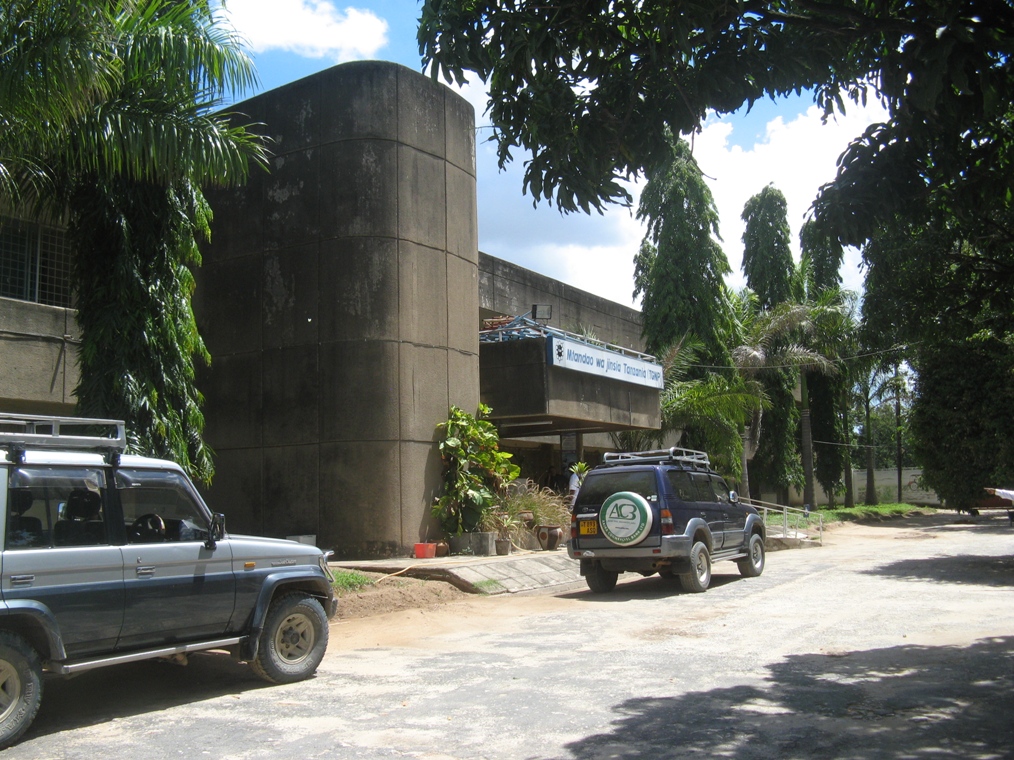
I cross the road to the big, big building of TGNP (Tanzania Gender Network Programme), where many companies and organisations, including ICD, rent their offices...


Our small office is divided into even smaller cubicles with the help of thin wooden walls, my cubicle is the first on the right. The temperature in there, as you can imagine, is just as high as outside, and without fans working full power for the whole day it is impossible to breathe. No sunlight reaches me, which depending on your view-point can be good or bad.


But, the cubicle is mine only and I have a really good laptop to work on, the biggest of all luxuries!

Zelena oaza

 Po vsem vznemirjenju in tezavah pri iskanju hise sva se s Stefanom odlocila, da imava dovolj hrupa, vrocine in betona in da je skrajni cas, da za vikend pobegneva v naravo in pomiriva zivce. Pugu hribovje je le 30 km oddaljeno od Dar es Salaama in prava zelena oaza.

Najela sva hisko...


... pocivala...

...plavala...


...in se sprehajala po kokosovem gozdu.


Bilo je drago, ampak vredno vsakega silinga!

Freitag, 25. März 2011

Sonnengetrocknet

Ein Sonntagsspaziergang auf dem Strand bei 38 Grad Celsius...

Coco Beach
...endet gezwungenermaßen schon nach 15 Minuten, am besten bei dem Eiscreme-Verkäufer :)

Eiscreme!!!
Die Sonne ist aber nicht die einzige Gefahr, die auf dem Strand lauert...


Samstag, 19. März 2011

SOS

Dear all! My mood right now is like this:


After two months of a very tiresome house search we have now found a house that fits. Not too big, not too small, not too new, not too old. Nice neighbourhood, good price. But it turned out it is owned by an arrogant asshole. One of those representatives of the Tanzanian elite that give it a bad name. One of those enjoying every bit of their power...

...safely tucked away behind their air-conditioned 4WD.

Our meeting was a good lesson on humility. He came an hour too late to the restaurant we agreed upon and was upset because we failed to answer his phone call in an instant. He wished to leave immediately, because he was afraid of his car not being safe in the street (guarded by the restauraunt's security guard and surrounded by ten taxis). So we talked in the parked car while he made four phone calls... Mentioned shortly some ethnic groups he consideres uncivilised and would never let them rent his house... Denied the fact that real estate agents know his house so that we would have to pay their fee (one month's rent). In between he did give some money to a begging lady, but not before cross-examining her for five minutes and humiliating her down to the ground. 

So, what would you do in our position? Ignore the arrogant landlord, take the house? Hope we never get to see him in the two years? Leave the house, search on? Search for more dalalis, spend more hot and late hours stuck in the traffic, spend all weekends on the road and all the nights in the ugly, loud hotel? Live out of a suitcase for the third month? What would you do?


To be or not to be?

Things you can hit

In the Swahili language the verb to hit ("piga") is very popular. By adding things you hit to the verb you can express tens of actions...

For example, a still logical one would be: piga ngoma, "to hit a drum" = to drum

But then there are the funnier ones:

  • piga kelele, "to hit a noise" = to shout
  • piga simu, "to hit a phone" = to phone
  • piga picha, "to hit a picture" = to photograph
  • piga mswaki, "to hit a tootbrush" = to brush teeth

Feel like hitting a tootbrush today? 

Sonntag, 13. März 2011

Realität des Lebens in Tansania

Wenn wir in ein lokales Joint essen gehen, zahlen wir normalerweise cca 1,5 Euro pro Person (Getränke inklusive). Gehen wir essen in ein Restaurant für die Mittelschicht, zahlen wir so ungefähr 6,0 Euro pro Person. Das scheint vielleicht wenig zu sein, aber lasst uns die Zahlen in eine Perspektive setzen...

Die am schlechtesten bezahlten Berufe in der Stadt sind Kellner und Askaris (Nachtwächter / Security Guards). Ihr monatliches Gehalt beträgt zwischen 40,0 und 60,0 Euro. Lehrer in der Stadt, in den öffentlichen Schulen, bekommen rund um 300,0 Euro Gehalt. Ein gut verdienender Geschäftsmann wird 500,0 Euro pro Monat verdienen.

Die Mieten in Dar es Salaam beginnen für menschen-würdige Häuser bei 200,0 Euro pro Monat; wir suchen ein Haus für cca 500,0 Euro pro Monat. Die Mieten "enden" bei 4000,0 Euro teuren Palästen. Dazu kommen dann Elektrizität- und  Wasserkosten, sicherlich um die 50,0 Euro pro Monat.

Wir müssen natürlich berücksichtigen, dass die Mittelschicht nicht die Mehrheit darstellt und dass die Bedingungen außerhalb von Dar es Salaam sowieso völlig anders sind.

Was denkt ihr von Essenspreisen jetzt?

1 Euro = 1500 TSh (Tanzanische Schillinge)

Vamos a la playa

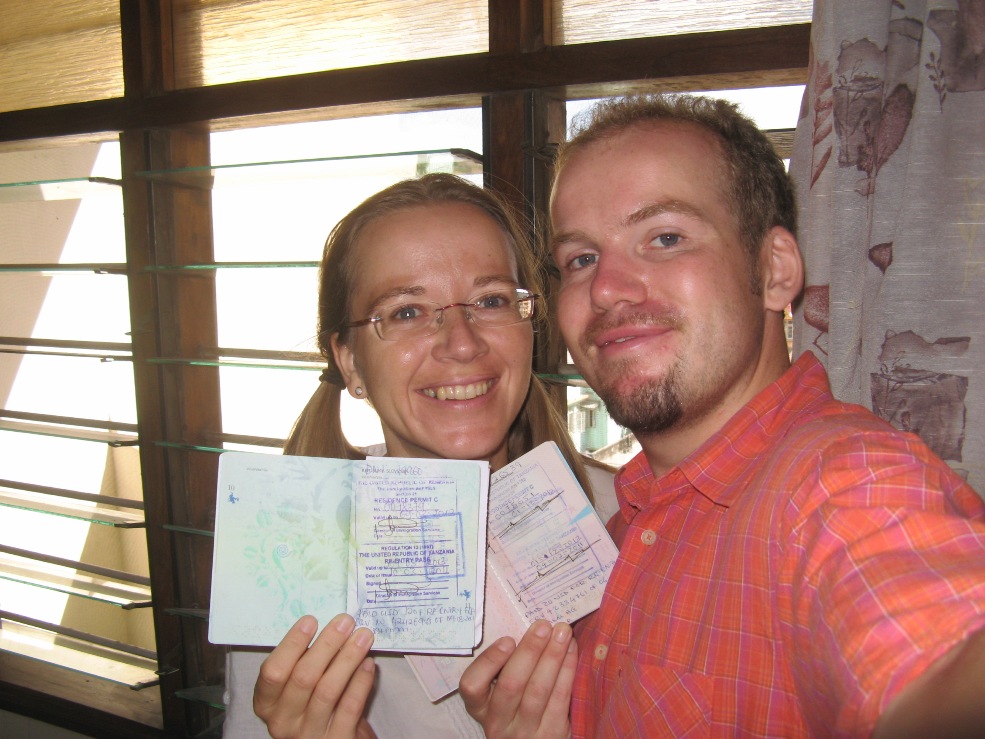
Dragi vsi, ta teden je zivljenje postalo lazje! S Stefanom sva koncno dobila najini dovoljenji za bivanje (residence permit) in sva torej od sedaj naprej uradno prebivalca Tanzanije.

Zakaj je sedaj zivljenje lazje? Vsekakor je cenejse: za obiske nacionalnih parkov in drugih znamenitosti morava sedaj placati zanemarljivo majhne vstopnine! Te so namrec za turiste precej visoke (ladja do Zanzibarja stane 50 ameriskih dolarjev v eno smer), za lokalne prebivalce pa dokaj nizke (ladja do Zanzibarja stane 5 dolarjev v eno smer).

Ampak seveda se veseliva predvsem, da sedaj legalno ziviva in delava v Tanzaniji :)

Zanzibar, here we come!

cestitke vsem zenam

Malce prepozno (nismo imeli elektrike), ampak vseeno iskreno: Vse najlepse za 8. marec, mednarodni dan zena! Posiljam vam eno afrisko rozico...

Prvi predsednik samostojne Tanzanije, Julius Nyerere ali Ucitelj, kot ga imenujejo v Tanzaniji, se je trudil poenotiti novo nastalo drzavo in jo voditi neodvisno od kapitalisticne Amerike ali komunisticne Rusije, podobno kot je Tito poskusal v Jugoslaviji. Tanzanija je bila del socialisticnega gibanja, ustanovila je kmetijske zadruge, podrzavila podjetja itd. - ce bi (Slovenci) brali o zgodovini tega obdobja, bi vam/jim bila zelo znana. Tako poznajo in se vedno praznujejo tudi 8. marec, dan zena!


Jaz sem za darilo dobila vrtnice. Morda se vam to zdi nenavadno, ampak nezanemarljiv odstotek vrtnic na evropskem trgu izvira iz ogromnih plantaz vrtnic v Keniji. Tam se dela trdo za majhno placilo - ce imate moznost izbire pri nakupu afriskih vrtnic, vas prosim, da se odlocite za tiste iz Pravicne trgovine (Fair trade), s cimer pomagate pri boju za dostojne delovne razmere plantaznih delavk.

Sonntag, 6. März 2011

Kiswengli

Kiswahili, to us, feels difficult to learn. But there are some things which indeed are easy...

Many modern words in Kiswahili are adopted from the English language. There seems to be one general rule: take an English word, add -i at the end and write it as you pronounce it - then you get the Kiswahili word.

For example:
television -> televisioni -> televisheni
car -> cari -> gari
bank -> banki -> benki
dance hall -> halli of danci -> holi ya dansi

... and here Stefan's favourite, an exeption to the rule: beer -> bia


Bongo Land

Die Menschen in Dar es Salaam nennen sich "Bongo Meschen", d.h. Menschen mit Gehirn oder schlaue Menschen. Um in Afrika überleben zu können, muss man halt oft improvisieren.


So helfen sich, zum Beispiel, in dem morgentlichen Stau, wenn hunderte von Arbeitern auf hoffnungslos überfüllten Daladalas warten, die Bongo Menschen mit einem Trick. Sie bezahlen einen Arbeitslosen (kaufen ihm Frühstück), damit er an ihrer Stelle für den heiß-begehrten Sitzplatz im Bus kämpft. Und es ist wirklich ein Kampf, Elbogenstöße und durchs Fenster klettern und vieles mehr ist erlaubt :)


Viele warten, um in die Arbeit zu kommen...

... manche arbeiten schon

Umazani Dar

Najin prvi teden v centru Dar es Salaama naju je preprical: Dar je umazano in hrupno mesto. Zvocna kulisa je ob katerikoli uri dneva neverjetno visoka, k hrupu prispevajo ne samo avtomobili, ljudje in elektricni generatorji, ampak tudi nesteta gradbisca (skoraj na vsakem kriziscu raste nov hotel ali nov nakupovalni center) in moseje. Moseje, kamor nese pogled...


Pred 80 leti je bil Dar es Salaam vas, krasile so ga cudovite kolonialne zgradbe in ogromna, vec sto let stara tropska drevesa. Pretekli blisc si je dandanes tezko predstavljati; drevesa so posekana, stare zgradbe razpadajo. Le redka poslopja so obnovljena, npr. pisarne vlade ali velikih organizacij...

Cudovita obnovljena zgradba Davcne uprave
V mestu obstaja le malo zelenih oaz, a obstajajo. Univerza v Dar es Salaamu, npr., poseduje ogromna zemljisca, na katerih je gradnja prepovedana. Kilometri in kilometri zelenih travnikov in drevesa, ki spominjajo na dzunglo, so pravi pocitek za oci... Na sliki spodaj, verjemite mi, je za drevesi skrit Institut za fiziko, in na skrajni desni strani slike lahko vidite celo studente!  


Mittwoch, 2. März 2011

Einmal oben, einmal unten

Liebe Alle, zur Zeit sind wir ein bisschen traurig. Ein tolles Haus ist uns weggeschnappt worden und ein zweites war zu teuer. Die unzähligen Swahili Wörter, die wir versuchen täglich in unsere Köpfe zu stopfen, fliegen alle sofort wieder weg und wollen nicht bei uns bleiben. Die Sonne ist wahnsinnig heiß und wir sind müde und bekommen die unglaublichsten Sonnenflecken im Gesicht und Sonnenblasen auf den Händen.

So müssen wir uns irgendwie trösten und da greife ich schon oft zu was Süßem. Eh klar, es gibt hier super saftige und süße Mangos, Papayas und Ananase.

Ananas Verkäufer

Aber wenn es nicht um Obst, sondern um andere Süßigkeiten geht, dann unterscheidet sich der Geschmack von Tanzanier und Europäer schon bedeutend. Hier ist alles Frittierte beliebt und begehrt. Große Pfannen mit sprudelndem Öl stehen auf jeder Straßenecke... Ich glaube, inzwischen habe ich sag und sprich elf verschiedene Sorten von Krapfen-ähnlichem Gebäck entdeckt. Schokolade ist leider nicht gängig :(


Maandazi Verkäufer

Introducing Maiko

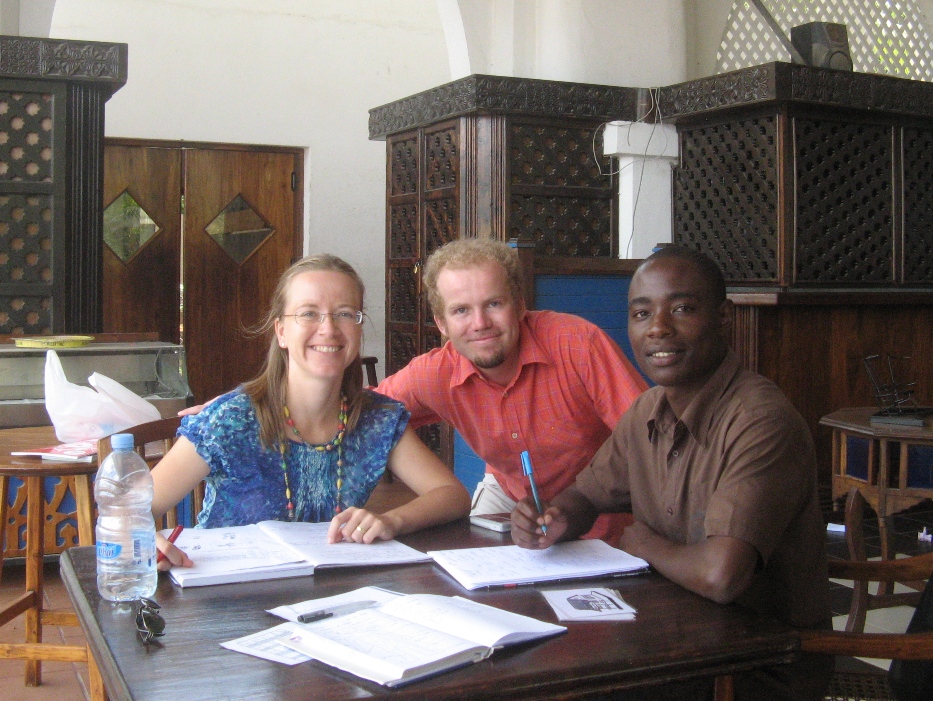
He is young, hip, clever and funny and spends his days with us: Maiko is our Kiswahili teacher and our cultural interpreter on top.

He is full of stories and one of my favourites we've heard when learning about the passive form of the verb 'to walk'. Maiko said, it does not exist, nobody can be walked. We said, of course it exists, a dog can be walked!

Maiko burst into laughter with his "you-white-people-are-so-funny" look and explained that no Tanzanian would ever degrade himself to walk a dog. This would mean that he has become a slave to the dog and a  house help would rather quit her job than be humiliated enough to walk her employer's dog... She could not survive the shame in the eyes of her fellow Tanzanians if she would be enslaved by an animal...

So, after hearing many of such cultural explanations we now believe Maiko when he describes himself as a bit crazy: he is fine, but his stories sound crazy to us! Mwalimu mwenye tatizo ni Maiko!


Sonntag, 27. Februar 2011

Downtown

CEFA hostel told us they are fully booked and we must move out. So we waved the leafy, up-market neighbourhood goodbye and drove to the heart of the city, to the place where everything is happenning, to central Dar es Salaam (check out our location on the map on your right). 

Our new hostel is more basic and serves mostly Indian businessmen. We couldn't call it pretty, but Dar lays open at our feet...


A room...

...with a view...
...from the 5th floor

Mittwoch, 23. Februar 2011

Essenstechnisch

Mittagessen in Dar es Salaam ist eine leicht überschaubare Sache. Wir setzen uns in ein lokales Restaurant (gennant "joint") und bestellen. Es ist nicht so wichtig, was wir bestellen, der freundliche mhudumu (Kellner) versteht uns nämlich nicht so gut und bringt immer das Gleiche.

Es gibt eine große Variation an Beilagen: Reis für die Abgehobenen, Pommes für die Hungrigen, ugali (Maisbrei, ähnlich zu Polenta) und ndizi (Kochbananen) für die Traditionellen. Dazu werden immer Bohnen, mboga (gekochtes tanzanisches Spinat) und Rindfleisch in Tomatensauce serviert. Und wenn man sich mal was Besonderes gönnen will, dann bestellt man gebratenes Fisch oder gegrillte Spieße.

Buon Appetite!


Home sweet home

Stefan and I are looking for a place to stay. After three weeks we have now learnt the basic rules of house search in Dar es Salaam. 

First, you need to find a dalali (local house agent) who speaks at least a bit of English. You do this by asking around, writing down phone numbers you see on the street, torturing everyone you know for info. 

You then drive around the city with him and observe unknown people who keep hopping in and out of your car. Do not worry: these are other dalalis, contracted by your dalali, to help him do his work. 

There follows a stage of driving in circles. Again, don't panic. This is because your dalali needs time to organize a key to "your" house. A rule written in stone: keys are never at the house when you are there.

The houses you finally get to see all have exactly the price you have at the beginning stated as the maximum of your budget, regardless of the condition they are in. Another rule of stone: houses cheaper than your budget do not exist! 

The dalali always shows you the houses in this specific order: first an old, poor shack (or two), then one or two decent houses, and finally a palace of your dreams. Most of them not in the area where you want to live. 

This  is what we have seen on our last "dalali drive":


House No 1: Way too small, way too local

House No 2: A bit OK

House No 3: Way too big, way too expensive
Where all this will end? We don't know yet, but we will keep you informed.

Vse najboljse

Vas zanima, kako sem prezivela rojstni dan? Prvi na sporedu je bil klepet ob dobri kavici, nato sprehod po divji, skalnati obali na severu polotoka, ki je del Dar es Salaama. Zakljucno dejanje: koncert FM Academie, priljubljene skupine iz Konga. Glasba je bila tako glasna, da so me se cel vecer bolela usesa! In seveda sem dobila tudi lepo, pisano darilo...


Freitag, 18. Februar 2011

Eine Frage des Stils

Frauen in Tanzania sind sehr praktisch, auch was ihre Kleidung betrifft. Ihr Aussehen ist immer vervollständigt mit mindestens zwei Schals.

Schal Nummer Eins schützt den Rock gegen den Dreck in den Daladalas, vor dem Staub der Straßen, beim Sitzen draußen und vor dem Schmutz der Häuser, Waren und anderen Menschen in der dichten Menge...

Schal Nummer Zwei schützt den Kopf gegen die Hitze und die Frisur gegen den allgegenwärtigen heißen  Wind... Außerdem sieht er sittig aus, was in einer halb-muslimischen Gesellschaft nicht unwichtig ist.


Wenn frau dann ankommt und ihre Schals auszieht, sieht sie perfekt aus, sauber, gepflegt und mit toller Frisur, obwohl ihr Arbeitsweg einer Stunde von Hitze, Staub und Wind gleicht. Praktisch, gell?

Kiswahili ni lugha nzuri

Learning Swahili is not easy. Attending a course four hours per day and learning about fifty new words each time is even more difficult. Honestly, our minds are about to explode! We spend our free time reciting words like poems: tembea - to walk, tembelea - to visit, tegemea - to depend, tengeneza - to construct, tangaza - to announce...


But the language is also funny and offers insights into the culture. When we learned about kitchen stuff and cooking, for example, our teacher Loyce told us how young people tell that they got married.
The man says: "Nimepata jiko", meaning "I got a kitchen", and
the woman says: "Nimepata nyumba", meaning "I got a house". Sounds familiar, right?

So when the people ask us, which they always do, if we find Swahili to be a good language, what can we say but yes: "Kiswahili ni lugha nzuri".

Montag, 14. Februar 2011

Med svetovi

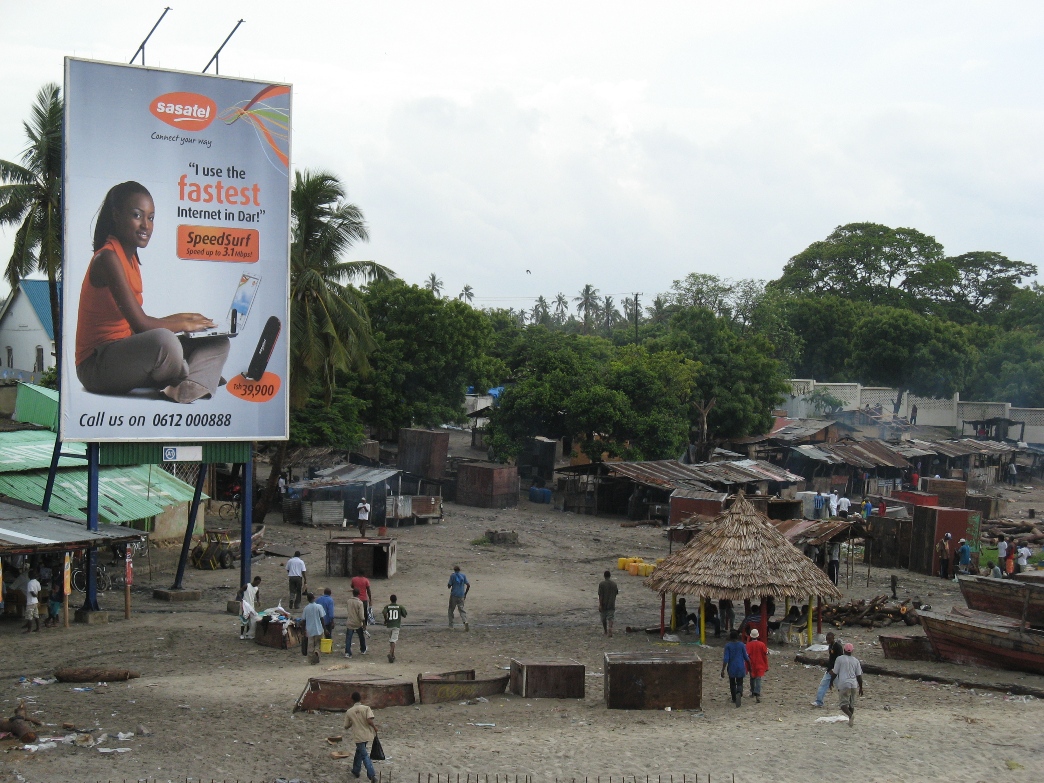
Ena najtezjih stvari pri zivljenju v Afriki je, da se svet bogatih in svet revnih tako ocitno in bolece dotikata, da teh skrajnosti ni mogoce spregledati. Nasprotja so prisotna na vsakem koraku in spominjajo na razloge, zaradi katerih sva se odlocila za nekaj casa ziveti in delati v Tanzaniji. 

Moderna tehnologija in skromna prebivalisca...